
Materials are sold by the ton and delivered by tandem load — about 18.5 tons per load.
Stone & Aggregates
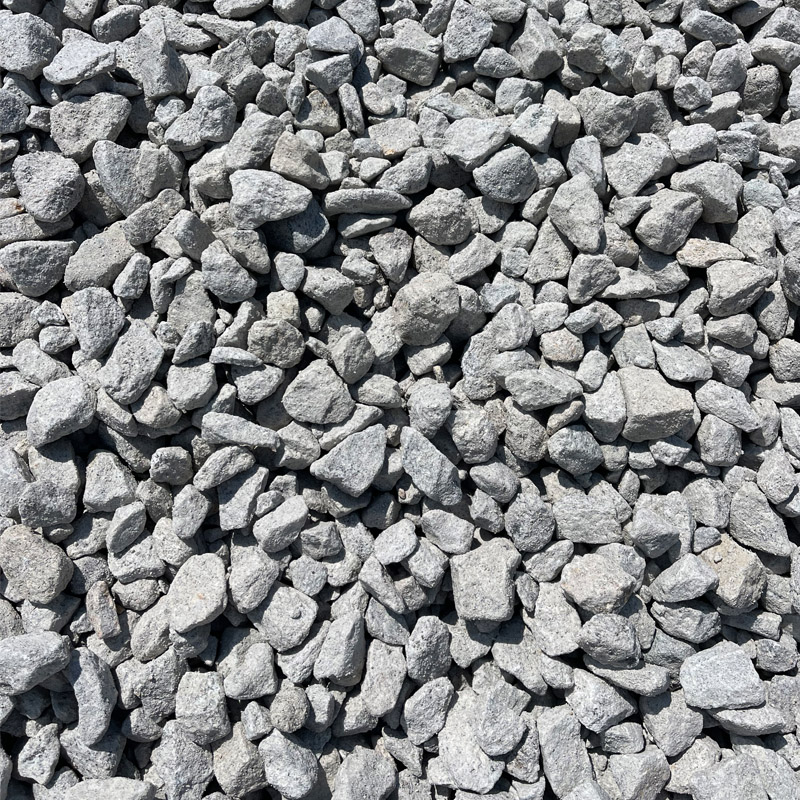
#57 Stone (washed)
What it is: Clean crushed granite, roughly 1 inch down to 1/2 inch, washed so there's minimal dust or fines clinging to the stone. The pieces stay loose and let water pass through freely.
Used for: Drainage and French drains; driveway and parking pad top layer; backfill behind retaining walls; pipe bedding.
Typical jobs: A drainage fix in a wet yard, the finish layer on a gravel driveway, backfill around a foundation.
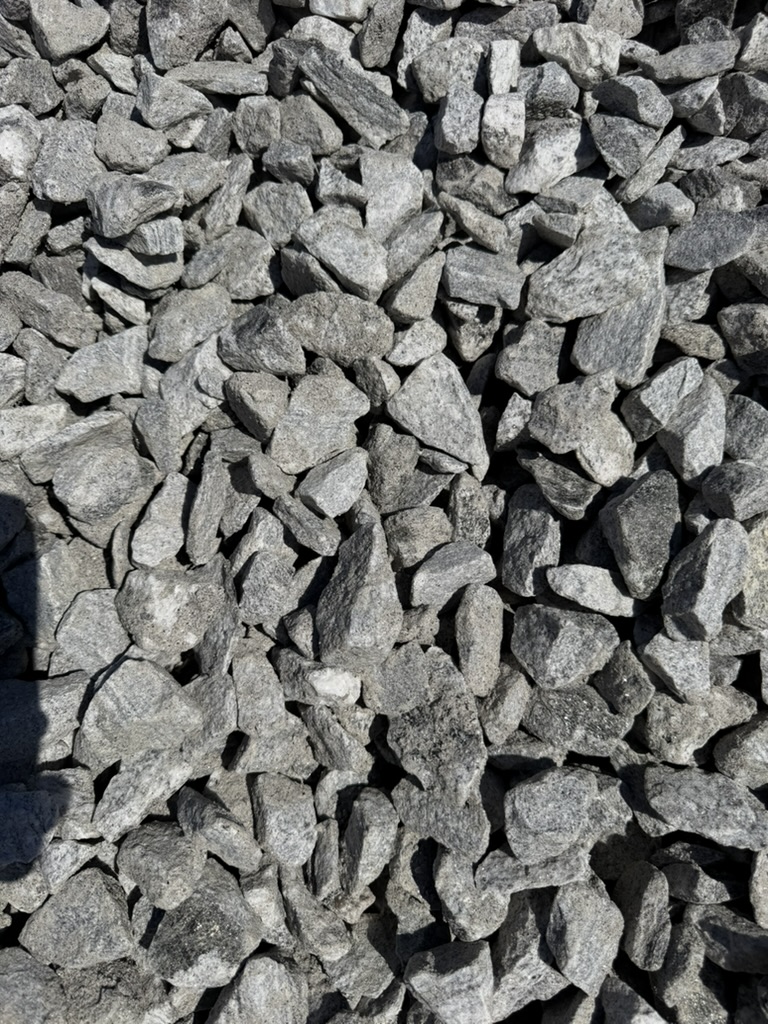
#57 Stone (unwashed)
What it is: The same #57 gradation — roughly 1 inch down to 1/2 inch — that hasn't been washed, so it keeps its natural stone dust and fines. Pick it over washed when you want the material to pack in tighter rather than drain freely.
Used for: Base and backfill work; driveway base layers; general fill under a top layer of washed stone; leveling low areas.
Typical jobs: Building up a driveway base before the top layer goes down, backfilling a trench, leveling a pad site.
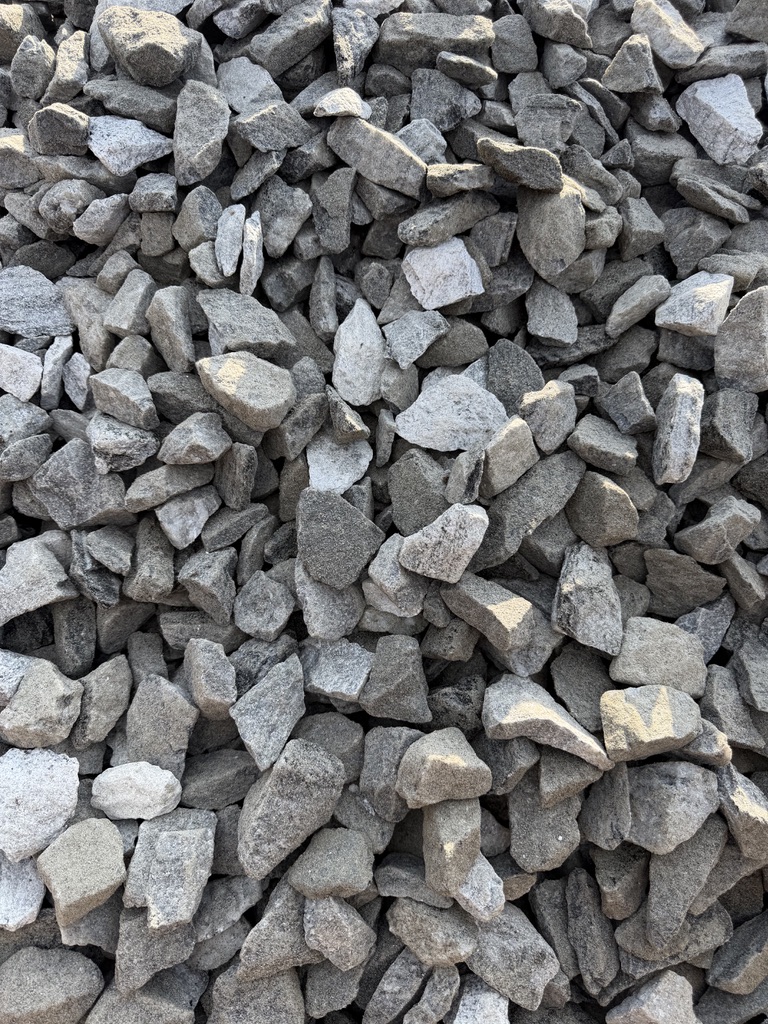
#4 Stone (washed)
What it is: Large washed crushed stone, roughly 1-1/2 inches down to 3/4 inch. Big, open stone with plenty of void space for water to move through, washed clean of fines.
Used for: Heavy drainage; construction entrances and mud control; septic system fields; erosion-prone areas and ditch work.
Typical jobs: A construction entrance that keeps mud off the road, drainage stone on a commercial site, stabilizing a soft or wet area.
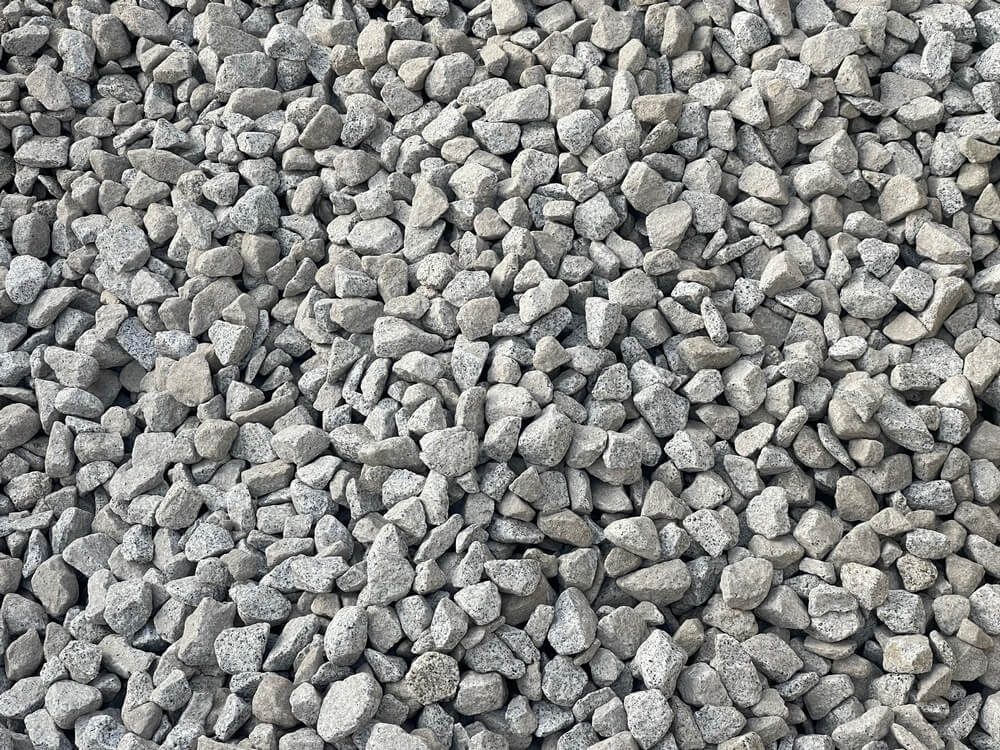
#6 Stone – GDOT
What it is: Crushed stone graded to GDOT specification, roughly 3/4 inch down to 3/8 inch. A clean, uniform mid-size stone produced to meet Georgia DOT requirements for drainage and concrete work.
Used for: Drainage and pipe bedding on spec work; concrete and asphalt production; backfill where a uniform stone is specified.
Typical jobs: Pipe bedding on a municipal job, drainage on a commercial site, aggregate supply for a concrete pour.

#89 Stone
What it is: Small crushed stone, roughly 3/8 inch and down — the finest of the driveway stones. Spreads smooth, packs lightly, and gives a finished, even surface.
Used for: Driveway and parking pad top dressing; walkways and paths; pipe bedding; landscape areas where a fine stone finish is wanted.
Typical jobs: Dressing up an existing gravel driveway, a neat parking pad surface, stone paths through a yard.

Type 3 Rip Rap – GDOT
What it is: Large angular boulders of stone, graded to GDOT specification — individual pieces commonly a foot or more across. It's armor, not fill: it holds slopes and banks in place against moving water.
Used for: Erosion control on slopes and banks; ditch and channel lining; culvert inlets and outlets; pond and shoreline edges.
Typical jobs: Protecting a washed-out ditch bank, armoring a culvert outlet, stabilizing a pond edge or steep slope.
Base & Crusher Run
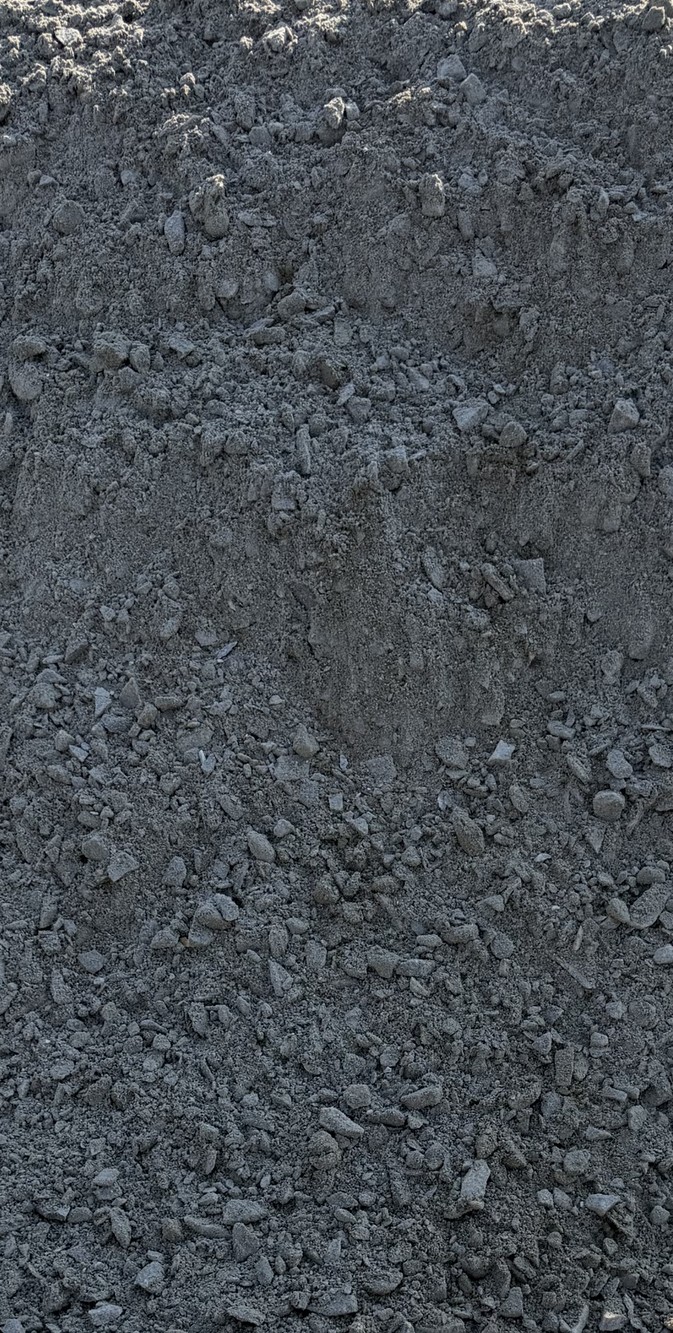
GAB – GDOT
What it is: Graded Aggregate Base graded to GDOT specification — crushed stone blended with fines so it compacts into a hard, stable base layer. This is a base material: it goes down before concrete or asphalt — you're doing a new driveway, this is what goes under it.
Used for: Base under asphalt pavement; base under concrete slabs and driveways; road and parking lot construction; building pads.
Typical jobs: A new driveway or parking lot base, slab prep for a shop or warehouse, a road-building project.
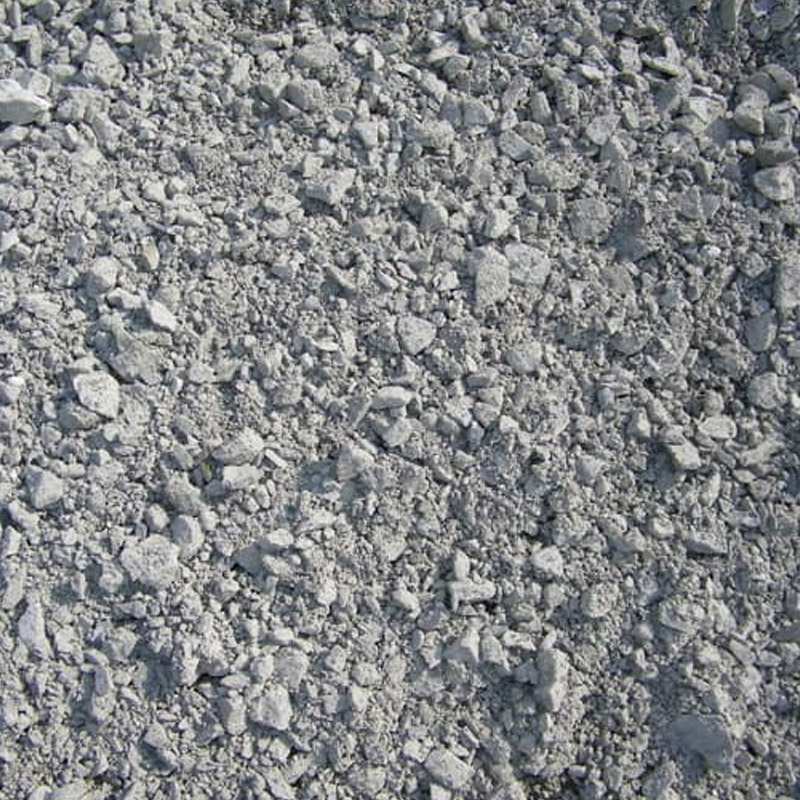
Commercial Crusher Run
What it is: Dense-graded crushed stone with fines, made to compact tight and hard like GAB — but produced for commercial and private work rather than to a GDOT specification. Pick it when the job doesn't carry GDOT specs; pick GAB – GDOT when it does.
Used for: Driveway and private road base; parking areas and equipment yards; shed and building pads; base under concrete on private jobs.
Typical jobs: A long private driveway, a gravel parking area for a business, base for a pole barn or storage pad.
Sands & Screenings
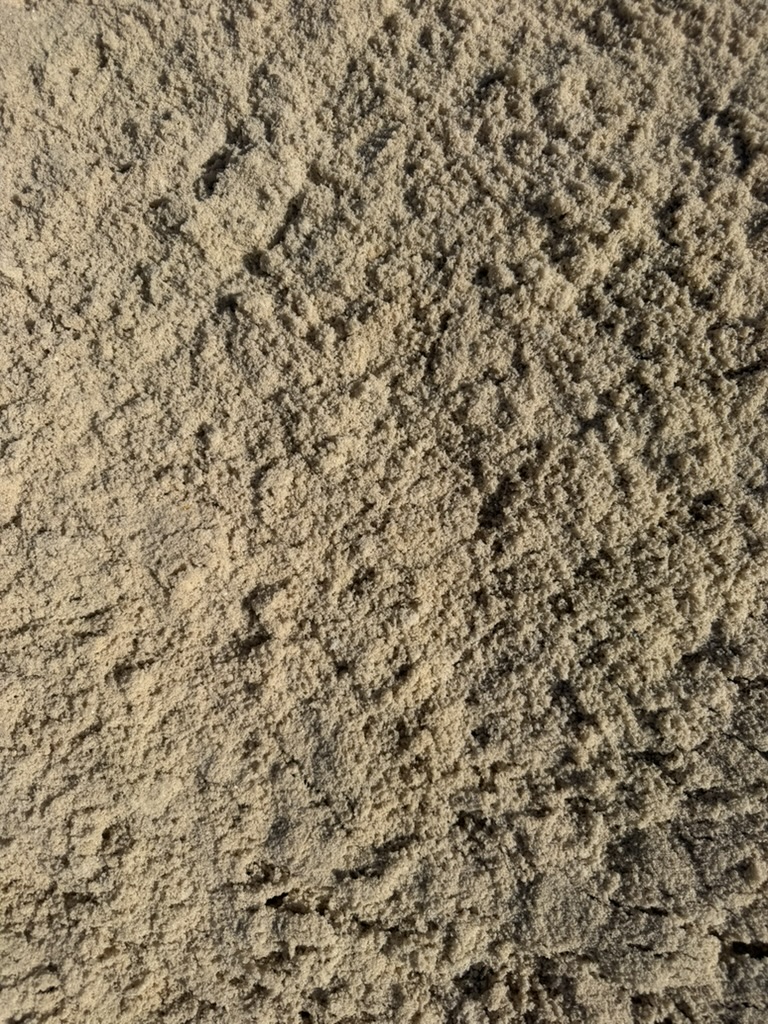
River Sand
What it is: Natural sand with rounded grains, washed and screened. A general-purpose sand — softer and less sharp than manufactured sand, which makes it the pick for recreational and leveling work rather than structural mixes.
Used for: Leveling and bedding under pavers and stones; sandboxes and play areas; backfill and trench bedding; topdressing and general landscape use.
Typical jobs: A sandbox or volleyball court, leveling a patio area, bedding pipe in a trench.
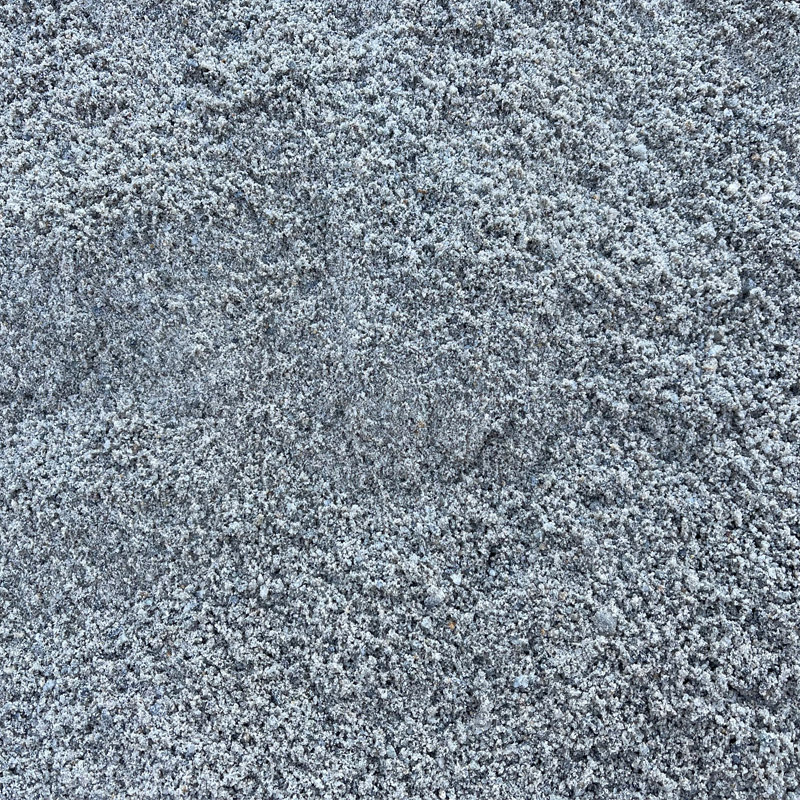
Manufactured Sand
What it is: Sand made by crushing granite, so the grains are angular and sharp-edged instead of rounded. The sharp grain locks together, which is why it goes into mixes and compacted bases where river sand would shift.
Used for: Concrete and asphalt production; compacted paver and slab bases; pipe bedding; traction and general construction fill.
Typical jobs: Supplying a concrete pour, building a paver base that stays put, bedding utility pipe.
Asphalt Millings

Asphalt Millings (screened)
What it is: Recycled asphalt pavement, crushed and screened to a consistent size. Screened millings spread evenly, and once rolled and settled in the sun they can firm back up into a hard, durable surface.
Used for: Driveway and parking lot surfaces; private roads and farm lanes; equipment yards and storage areas; a durable alternative to fresh gravel.
Typical jobs: Paving a long driveway without paving prices, surfacing a business's equipment yard, a farm or ranch road.
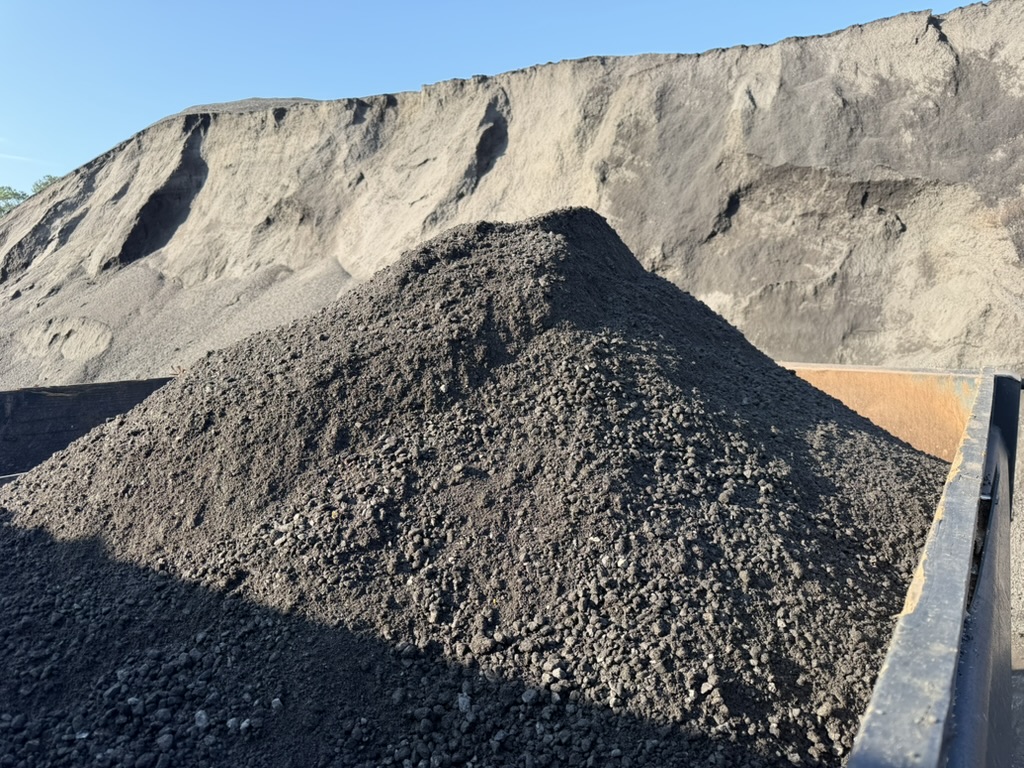
Asphalt Millings (unscreened)
What it is: Recycled asphalt pavement as it comes off the crusher — a mix of sizes with fines and some larger chunks, not screened for uniformity. Pick it when getting a large area covered matters more than a uniform finish; pick screened when the surface has to look and spread even.
Used for: Rural roads and lanes; base and fill under other surfaces; large-area coverage on yards and lots; erosion-prone access routes.
Typical jobs: Covering a big work yard, building up a rough access road, base fill on a large site.
Soils & Fill
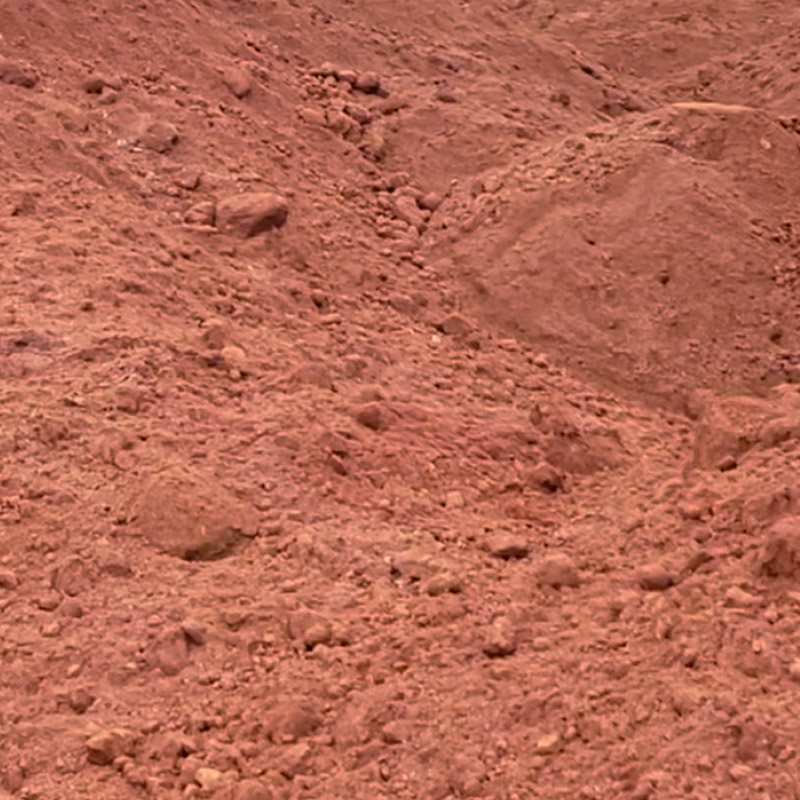
Clean Fill Dirt
What it is: Fill dirt for raising and shaping ground — without the organic content that makes topsoil good for growing and wrong for building on. Made to be placed, graded, and compacted.
Used for: Raising low areas and fixing grade; filling holes and old pool sites; backfill behind walls and around foundations; building up pads and berms.
Typical jobs: Filling in a swimming pool, leveling a sloped yard, backfilling a foundation or retaining wall.
Landscape
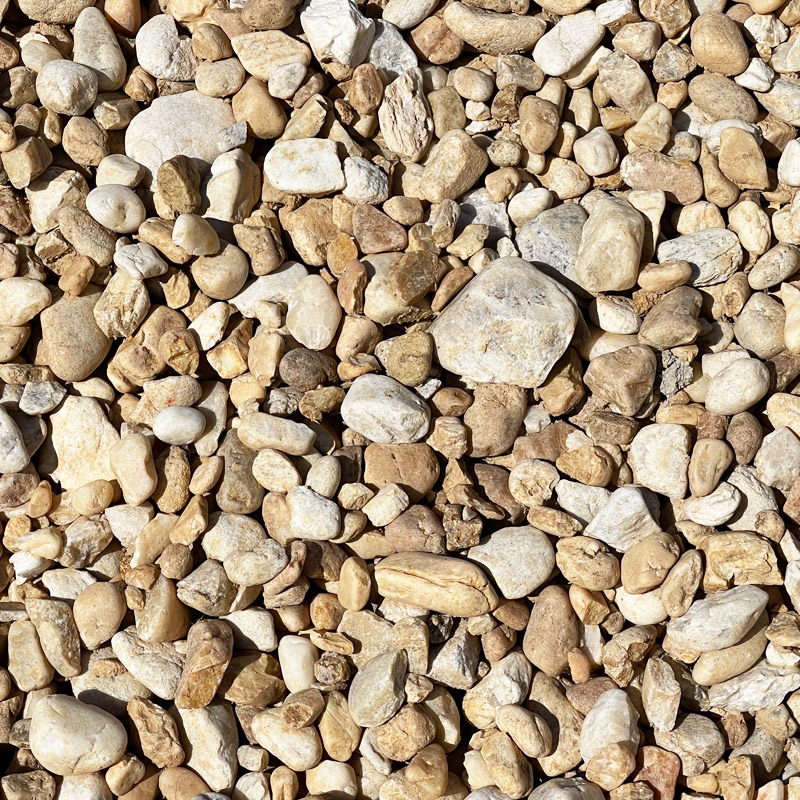
River Rock
What it is: Naturally rounded, smooth stone tumbled by water — no sharp edges. A clean, finished look that also moves water well.
Used for: Landscape beds and borders; drainage swales and dry creek beds; ground cover around homes and commercial properties; erosion control where appearance matters.
Typical jobs: Finishing the beds around a house, lining a drainage swale, a low-maintenance ground cover instead of mulch.

Masonry Sand
What it is: Fine, washed sand with a consistent grain — the sand masons work with. Clean enough to mix smooth and finish clean.
Used for: Mortar and stucco mixing; grout and concrete patching; paver joint sand; pool base and liner bedding.
Typical jobs: A brick or block job, stucco work, setting a pool, finishing a paver patio.
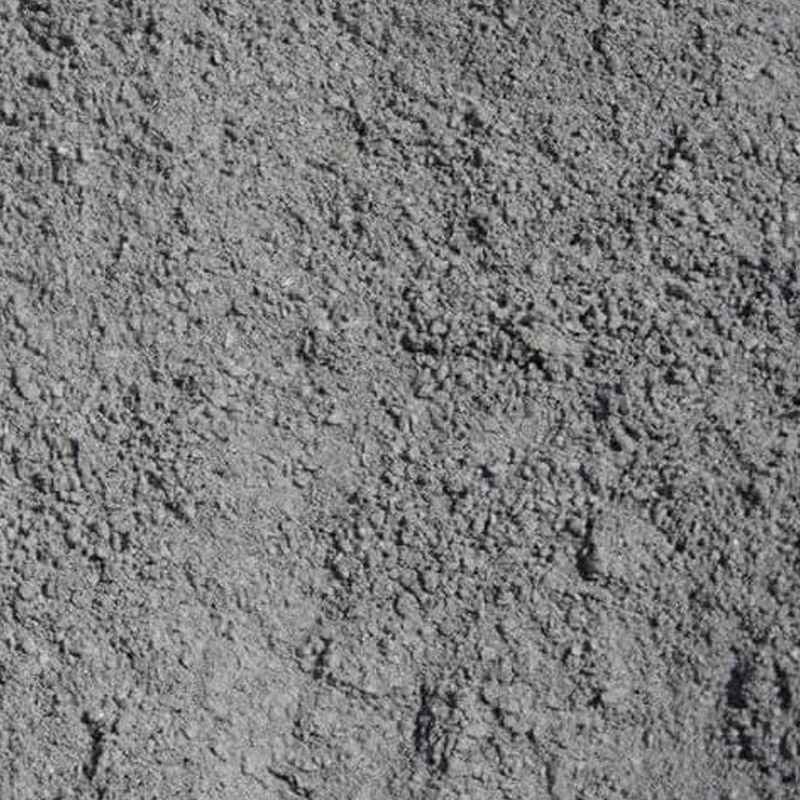
M-10 Screening
What it is: Fine granite screenings — everything from about 3/8 inch down to stone dust. The fines are the point: worked and watered, it compacts into a firm, smooth surface.
Used for: Paver and patio base (the leveling layer); walkway and driveway top dressing; pipe bedding; filling and firming low spots.
Typical jobs: The base under a paver patio, a smooth finish layer on a walkway, leveling a stone driveway.
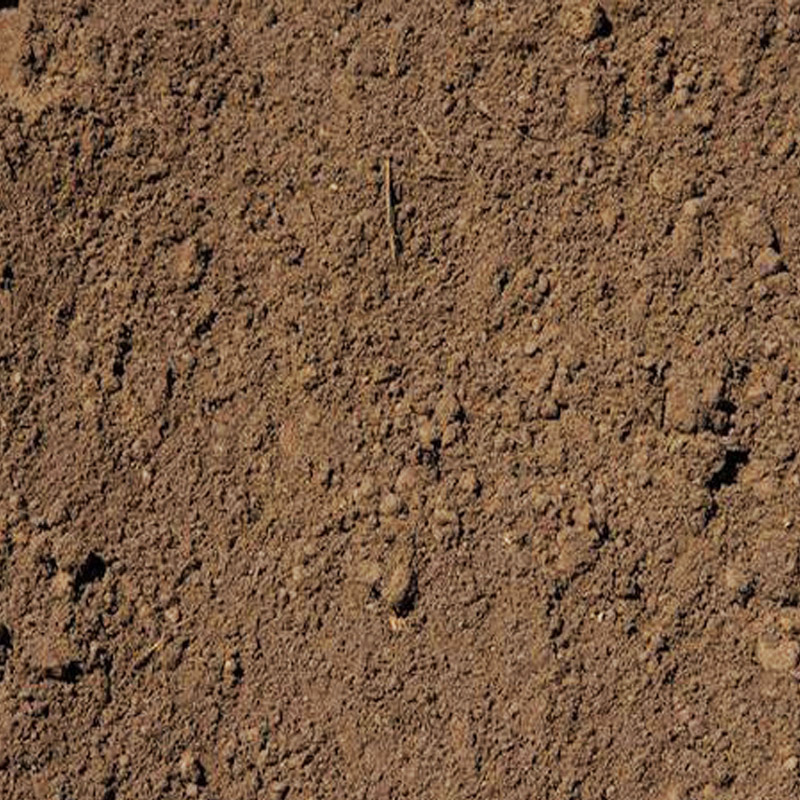
Premium Topsoil
What it is: Screened topsoil — dark, workable soil with the clumps and debris screened out, ready to spread and plant in. This is the growing layer, not fill.
Used for: New lawns — seed and sod prep; garden beds and planting areas; final grading and top dressing; repairing bare or thin spots.
Typical jobs: Prepping a yard for sod, building raised garden beds, finishing the grade around a new home.
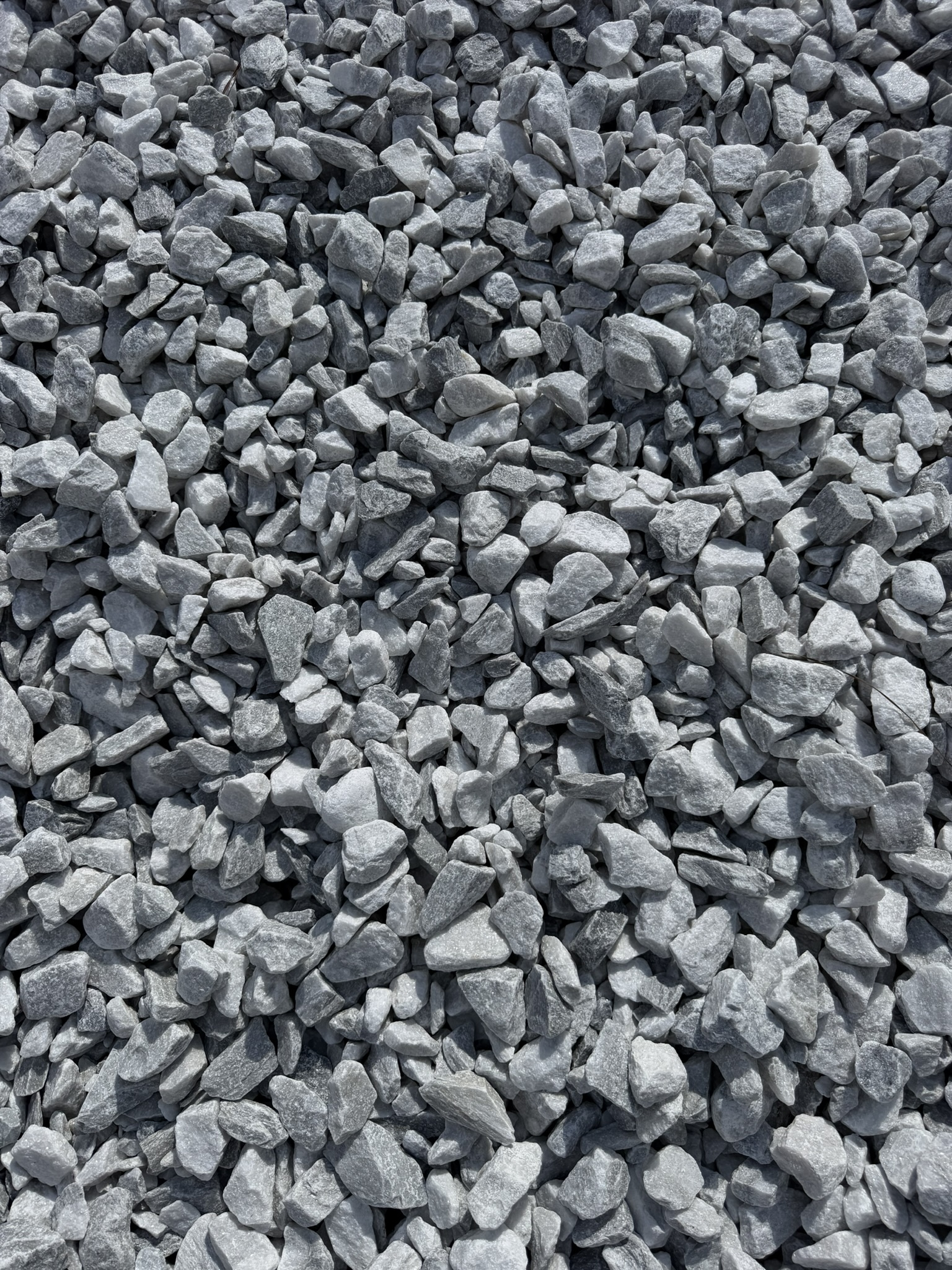
White Marble Rock
What it is: Crushed white marble chips — bright, clean stone that stays white and doesn't break down like mulch. A permanent ground cover with a sharp, finished look.
Used for: Landscape beds and borders; walkways and stepping-stone paths; accents around pools, patios, and entrances; anywhere a bright contrast against green planting is wanted.
Typical jobs: Beds around a home's front entrance, a clean border along a commercial storefront, around a pool deck.
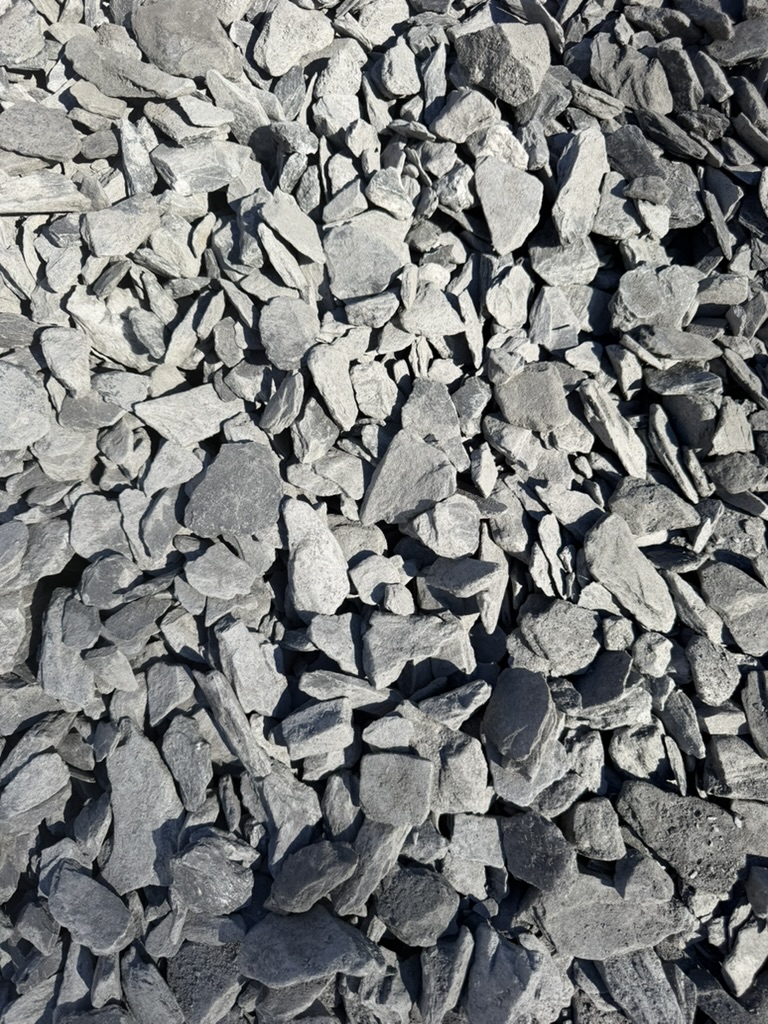
Gray Slate Chips
What it is: Flat chips of gray slate — thin, angular pieces that lay down into a smooth, even mat. A modern gray finish that doesn't fade or decompose.
Used for: Landscape beds and borders; paths and walkways; ground cover under trees and around patios; contemporary landscape designs.
Typical jobs: A gray stone bed for a modern home, a slate path through a garden, low-maintenance cover around a patio.
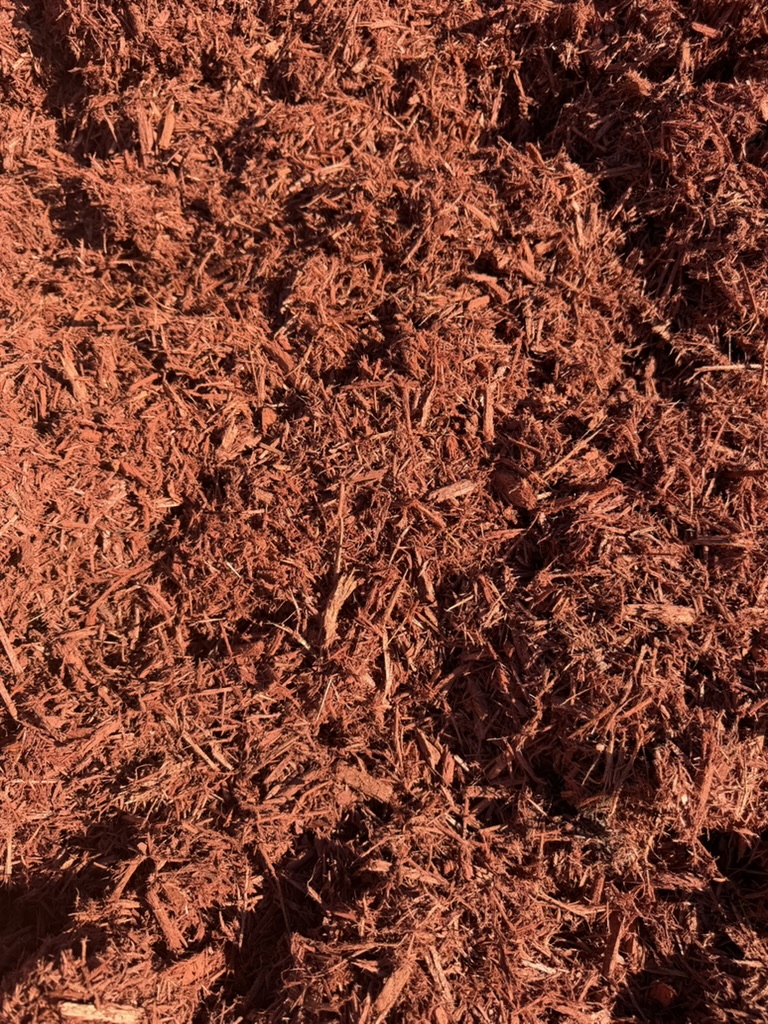
Red Mulch
What it is: Shredded wood mulch colored a deep red. Holds moisture in the beds, keeps weeds down, and gives plantings a bold color contrast.
Used for: Flower and shrub beds; around trees; commercial entrances and signage beds; anywhere a strong red accent fits the property.
Typical jobs: Freshening the beds at a storefront, color around a home's front plantings.
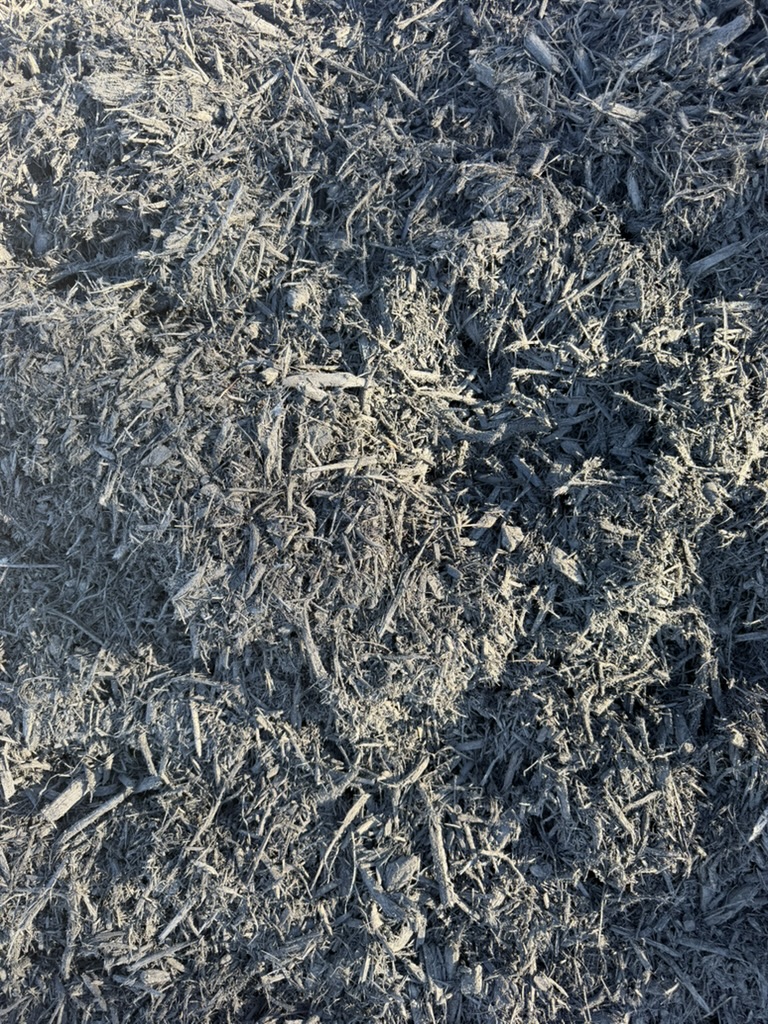
Black Mulch
What it is: Shredded wood mulch colored black. Same moisture retention and weed suppression as any mulch, with a dark, clean backdrop that makes green plants and flowers stand out.
Used for: Flower and shrub beds; around trees; modern and high-contrast landscape designs; commercial properties.
Typical jobs: A sharp black bed under shrubs at a home or office, high-contrast planting beds.
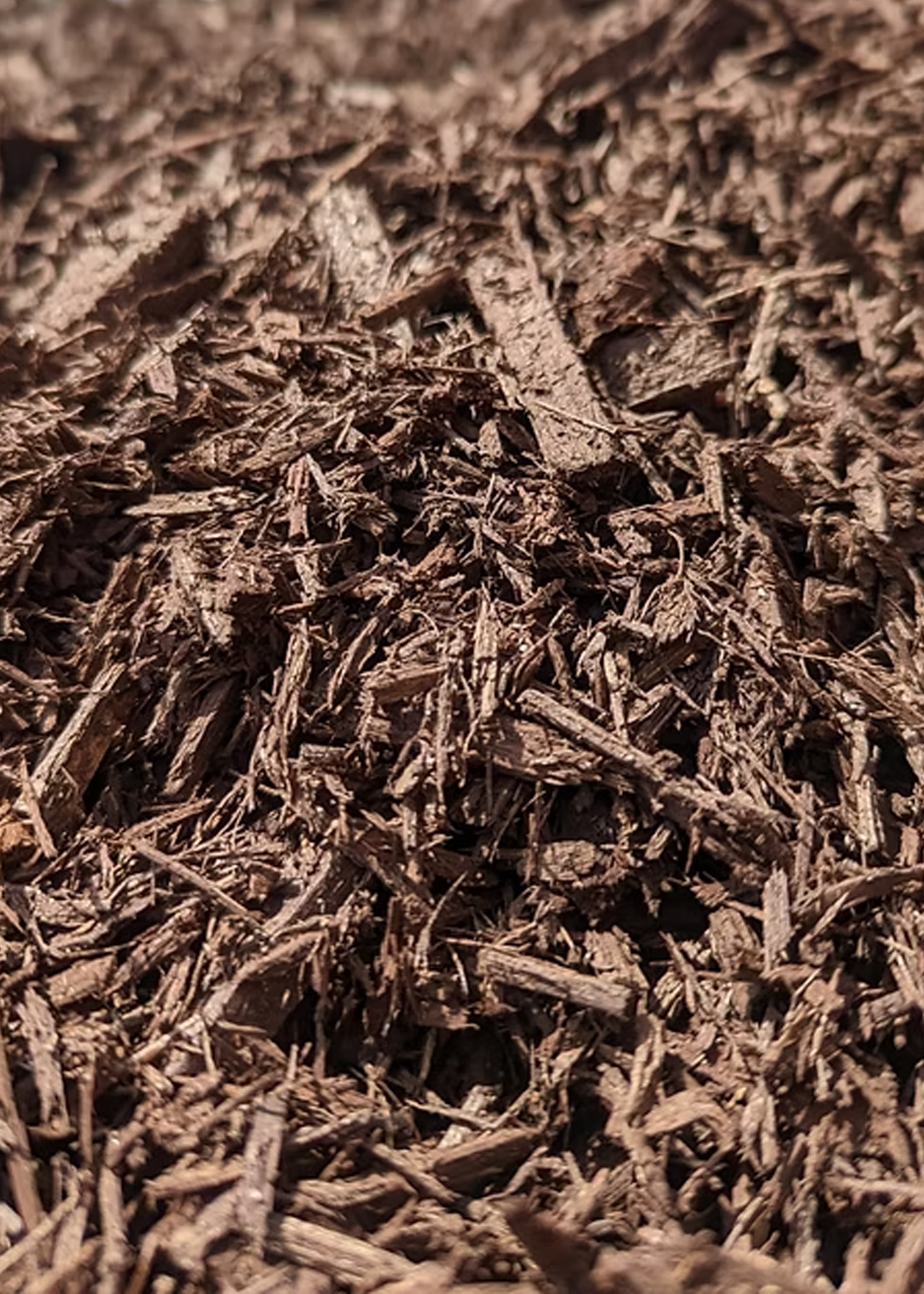
Brown Mulch
What it is: Shredded wood mulch in a natural brown — the classic, understated look. Covers beds, holds moisture, and suppresses weeds without drawing attention to itself.
Used for: Flower and shrub beds; around trees; natural and traditional landscape styles; large bed areas.
Typical jobs: All-around bed coverage for a home, natural-looking beds around a commercial property.